Understanding Multimedia Interactivity
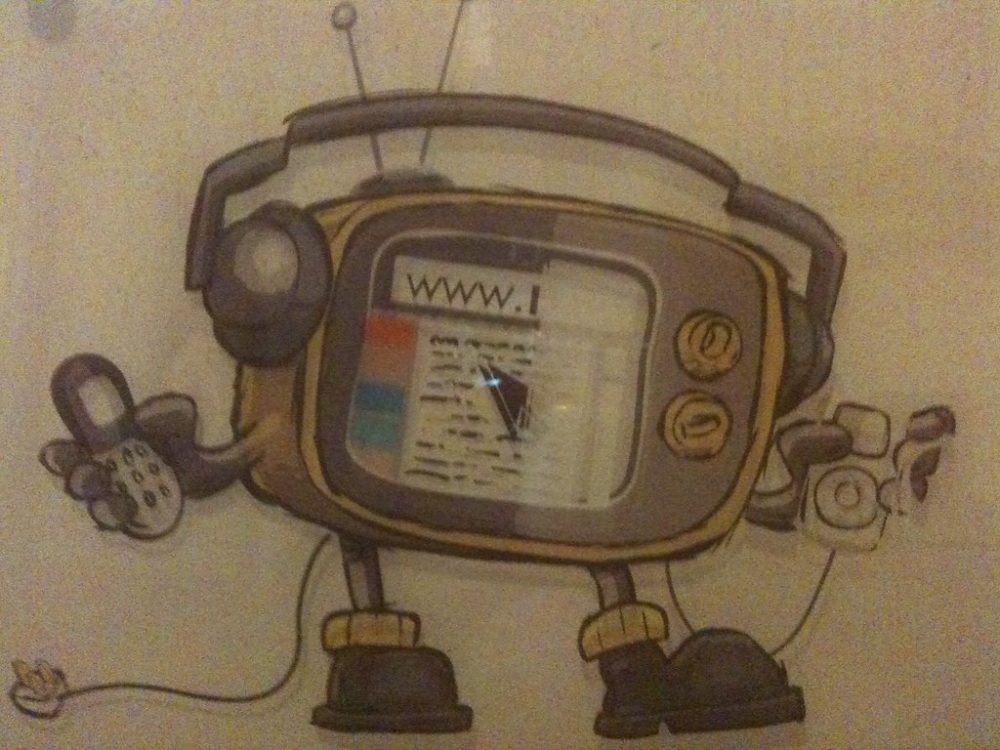
In the fast-evolving landscape of 2026, multimedia interactivity stands as a cornerstone of innovative communication. This trend emphasizes the engagement of users through interactive elements such as videos, infographics, and immersive experiences. Interactivity transforms passive consumption of content into active participation, allowing users to delve deeper into narratives and visuals.
Current Trends in Multimedia Interactivity
A Rise in Augmented and Virtual Reality
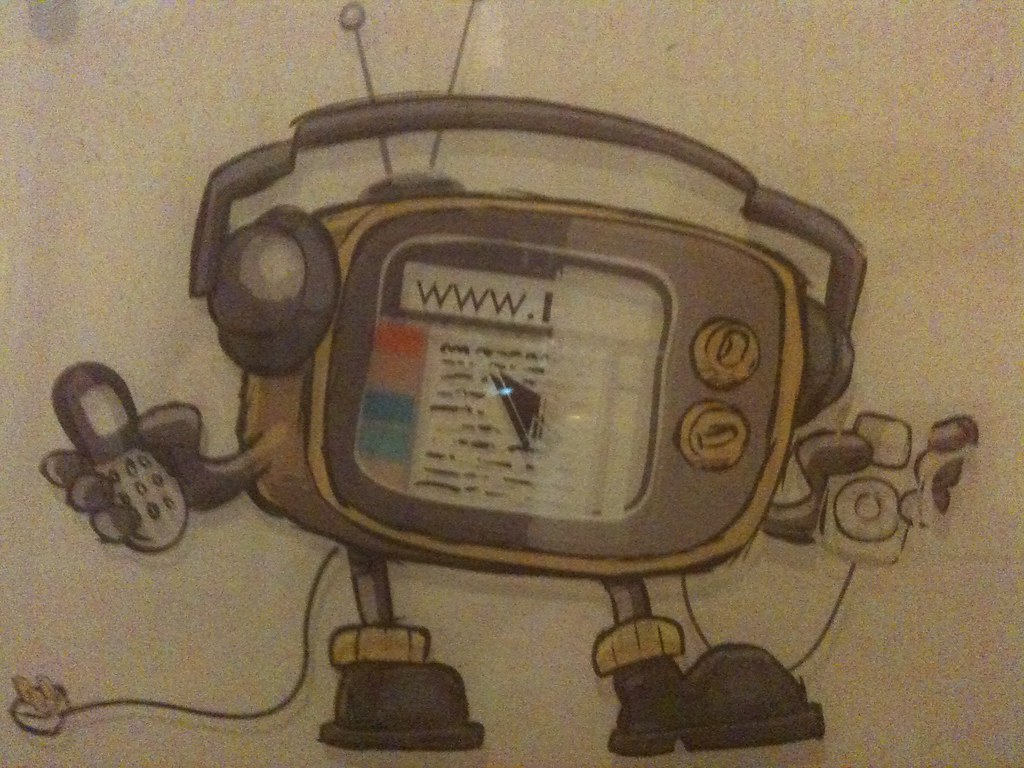
Augmented Reality (AR) and Virtual Reality (VR) technologies are not just abstract concepts anymore. In 2026, they are increasingly integrated into multimedia experiences, providing users with immersive environments. This level of interactivity fosters a more profound emotional connection to content. For instance, brands use AR to let consumers visualize products in their own spaces before purchasing.
Gamification as a Key Engagement Tool
Gamification is revolutionizing the way multimedia content is consumed. By introducing game-like elements such as rewards, challenges, and leaderboards, brands and educators are increasing user engagement. This approach not only enhances user experience but also encourages learning and retention.
Personalization and User-Centric Design
Personalization has become a significant focus for multimedia content creators. Tailoring content to individual preferences enhances user satisfaction and engagement. In 2026, AI-driven algorithms analyze user data to produce personalized multimedia experiences, ensuring that content resonates on a deeper level.
Innovative Applications in Various Fields
Education
The educational sector has seen remarkable advancements due to multimedia interactivity. Interactive simulations and gamified learning experiences are becoming commonplace in classrooms, catering to diverse learning styles. Students engage more effectively when they can interact with educational content, leading to better understanding and retention.
Marketing and Advertising
In marketing, brands leverage interactive multimedia to create memorable campaigns. From interactive videos that allow users to choose their own adventure to augmented experiences that bridge the gap between digital and physical spaces, brands are finding innovative ways to capture audience attention and drive engagement.
Healthcare
Telehealth and digital wellness platforms are employing multimedia interactivity to enhance patient education and engagement. Interactive applications help patients understand their health conditions better while motivating them to adhere to treatment plans through engaging content.
Challenges in Multimedia Interactivity
Technical Limitations
Despite its benefits, multimedia interactivity faces challenges, particularly related to technology adoption. Not all users have access to high-speed internet or the latest devices, which can limit their ability to engage with advanced multimedia experiences.
Content Overload
With the increasing demand for interactive content, there is a risk of overwhelming users with choices. Content creators must strike a balance between providing engaging interactive elements and not overwhelming users with excessive options.
The Future of Multimedia Interactivity
As we advance into the latter part of the decade, the potential for multimedia interactivity will only grow. With ongoing technological advancements, including 5G connectivity and improved AI capabilities, the possibilities are endless. Content creators and marketers must stay informed about emerging trends to remain competitive in a digital world that values interactivity and engagement.
Conclusion
In summary, multimedia interactivity is paving the way for more engaging and personalized content experiences. As we explore innovative applications in various fields and face challenges head-on, the future promises to be rich with interactive opportunities. Embracing these trends in multimedia interactivity will ensure that brands and creators not only capture audience attention but also foster meaningful connections in 2026 and beyond.