Introduction
As we approach the end of 2026, the multimedia landscape has evolved dramatically, reshaping how consumers engage with content across various platforms. From interactive videos to immersive audio experiences, the fusion of technology and creativity has unlocked new avenues for brands, educators, and creators alike.
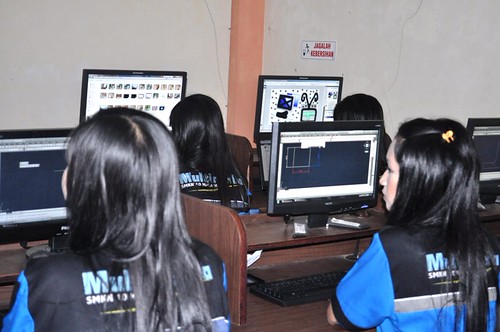
The Shift Towards Interactive Content
In 2026, one of the most significant trends in multimedia is the shift towards interactive content. This evolution is driven by consumer expectations for a more engaging and participatory experience.
What is Interactive Content?
Interactive content refers to any type of content that requires active participation from the user. Examples include:
- Quizzes and polls
- Interactive infographics
- Virtual tours
These formats not only increase engagement but also provide valuable insights into consumer preferences.
The Benefits of Interactivity
Engaging consumers interactively can lead to:
- Increased retention of information
- Higher conversion rates
- Enhanced brand loyalty
Augmented Reality (AR) and Virtual Reality (VR): Immersive Experiences
AR and VR technologies have made significant strides in 2026, offering users immersive experiences that transcend traditional multimedia formats.
How AR and VR are Used
Marketers and content creators use AR and VR for:
- Product demonstrations
- Virtual events and trade shows
- Enhanced gaming experiences
This technology not only captivates audiences but also creates memorable experiences that consumers associate with brands.
Case Study: AR in Retail
Retailers have adopted AR to allow customers to visualize products in their own space. For instance, furniture retailers enable users to see how a sofa would look in their living room before making a purchase.
Short-Form Video Content: The Rise of Snackable Media
Short-form video continues to dominate multimedia content in 2026, catering to an audience with dwindling attention spans.
Why Short-Form Video Works
Platforms like TikTok, Instagram Reels, and YouTube Shorts have popularized brief, engaging videos that convey messages quickly and effectively. The benefits include:
- Easy sharing across social media
- Quick consumption of information
- High potential for virality
Tips for Creating Compelling Short-Form Videos
To capture audience attention, consider the following strategies:
- Start with a hook to grab attention
- Focus on a single key message
- Use engaging visuals and captions
Personalization: Curating Multimedia Experiences
As technology advances, personalization has become an essential element in multimedia strategies. 2026 sees brands leveraging data analytics to tailor content to individual preferences.
Benefits of Personalization
Personalized multimedia experiences can lead to:
- Improved customer satisfaction
- Increased engagement rates
- Stronger emotional connections with brands
Examples of Personalized Multimedia
Some common applications include:
- Customized playlists in music apps
- Tailored video recommendations on streaming platforms
- Targeted social media ads based on user behavior
Multimedia in Education: A Powerful Learning Tool
The educational sector has embraced multimedia content as a core component of the learning experience in 2026.
Enhanced Learning Outcomes
Multimedia tools facilitate diverse learning styles, enabling:
- Visual learners to benefit from videos and infographics
- Auditory learners to thrive with podcasts and audiobooks
- Kinaesthetic learners to engage through interactive simulations
Real-World Application: Blended Learning Environments
Schools and universities are increasingly adopting blended learning approaches that combine traditional classroom instruction with multimedia resources. This method enhances student engagement and understanding while accommodating different learning preferences.
Future Trends in Multimedia Content Creation
Looking ahead, several trends are expected to shape the multimedia landscape further:
- AI-Driven Content Creation: Artificial intelligence will increasingly assist in generating multimedia content, from writing scripts to editing videos.
- Sustainability in Media: Content creators are becoming more conscious of their environmental impact, leaning towards sustainable production practices.
- Enhanced Accessibility: As inclusivity grows in importance, multimedia content will increasingly feature accessibility options, such as subtitles, audio descriptions, and alternative formats for differently-abled users.
Conclusion
The multimedia landscape in 2026 showcases a dynamic environment that continuously adapts to meet consumer demands. As interactivity, personalization, and immersive technologies gain traction, brands must embrace these trends to create compelling content that resonates with their audiences. By doing so, they not only enhance consumer engagement but also pave the way for innovative ideas that will shape the future of multimedia.