The Growing Influence of Multimedia in Remote Work and Collaboration in 2026
As we navigate through 2026, the landscape of remote work has transformed significantly, largely due to the integration of multimedia tools. These tools not only facilitate communication but also enhance collaboration, creativity, and productivity among teams. In this article, we will explore how multimedia is reshaping the remote work environment and the benefits it brings to professionals around the globe.
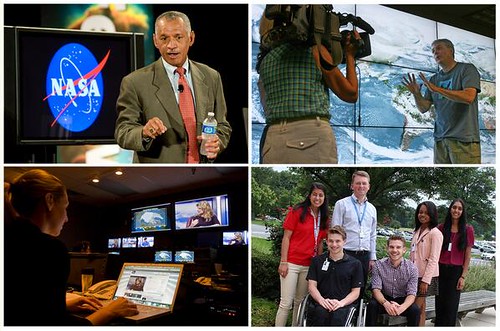
Understanding Multimedia in the Context of Remote Work
Multimedia encompasses various forms of content, including text, audio, video, animations, and interactive elements. In the context of remote work, these elements play a crucial role in how teams interact, share ideas, and execute projects. Here are some key components:
- Video Conferencing: Platforms like Zoom and Microsoft Teams have made face-to-face virtual meetings a norm, enabling richer communication through visual cues.
- Collaborative Documents: Tools such as Google Docs and Microsoft 365 allow multiple users to work simultaneously on documents, incorporating text, images, and even embedded videos.
- Project Management Tools: Software like Trello and Asana include multimedia elements such as timelines, progress visuals, and multimedia updates to keep teams aligned.
Enhancing Communication and Engagement
One of the primary challenges of remote work is maintaining effective communication. Multimedia enhances this by:
- Increasing Engagement: Using videos and infographics can capture attention better than text alone, making meetings and presentations more engaging.
- Facilitating Clearer Communication: Visual aids can simplify complex information, ensuring that all team members are on the same page.
- Humanizing Virtual Interactions: Video calls allow for personal connections, helping to build relationships and trust among team members.
Fostering Creativity and Innovation
Another significant benefit of multimedia in remote collaboration is its ability to foster creativity. When teams are encouraged to use various types of content, they can:
- Brainstorm More Effectively: Collaborative platforms allow teams to share ideas visually, which can lead to more innovative outcomes.
- Prototype and Iterate: Multimedia tools enable quick creation of prototypes, allowing teams to iterate on designs rapidly.
- Present Ideas Creatively: Multimedia formats such as videos or interactive presentations can make pitches more persuasive and memorable.
Training and Development Opportunities
As remote work continues to grow, companies are investing in multimedia for training and development. This shift includes:
- Onboarding Videos: New employees benefit from multimedia-rich onboarding experiences that provide a comprehensive understanding of company culture and procedures.
- Interactive Learning Modules: Training sessions that incorporate quizzes, interactive videos, and simulations can enhance retention and engagement.
- Continuous Learning Resources: Companies are increasingly using multimedia to create accessible learning resources, allowing employees to learn at their own pace.
The Role of Social Media in Remote Work
Social media platforms have also become integral to remote work, serving as tools for collaboration and networking. Multimedia content on platforms like LinkedIn can enhance professional visibility and foster connections. Some benefits include:
- Sharing Expertise: Professionals can share multimedia content that highlights their skills and experiences.
- Building Community: Online groups and forums allow for sharing resources, ideas, and support among remote workers.
- Networking Opportunities: Engaging with multimedia posts can lead to valuable connections and potential collaborations.
Challenges and Considerations
While multimedia offers numerous advantages, remote teams must also address certain challenges:
- Overload of Information: The abundance of multimedia tools can lead to confusion and information overload if not managed properly.
- Access to Technology: Not all team members may have access to high-speed internet or advanced devices necessary for utilizing multimedia effectively.
- Maintaining Work-Life Balance: The blurring of boundaries between work and personal life can be exacerbated by constant connectivity through multimedia.
Looking Ahead: The Future of Multimedia in Remote Work
As we move further into 2026 and beyond, the role of multimedia in remote work is expected to expand. Emerging technologies such as artificial intelligence and augmented reality may further enhance the ways teams collaborate and communicate. Key trends to watch for include:
- Enhanced Virtual Reality Collaboration: The rise of more immersive virtual environments could change how remote teams interact, making collaboration feel more tangible.
- AI-Driven Multimedia Tools: AI can help streamline the creation of multimedia content, making it easier for teams to produce high-quality work without extensive technical skills.
- Increased Focus on Accessibility: As companies recognize the importance of inclusivity, there will be a greater emphasis on creating accessible multimedia content for all users.
Conclusion
The integration of multimedia in remote work is revolutionizing collaboration and communication in 2026. As professionals continue to embrace these tools, the potential for enhanced creativity, productivity, and engagement will only grow. By navigating the challenges and leveraging the advantages multimedia offers, remote teams can thrive in an increasingly digital workspace.