Introduction
In an era where attention spans are dwindling and digital content is abundant, engaging an audience is more challenging than ever. As we move into 2026, leveraging multimedia effectively has become a necessity for brands, organizations, and content creators looking to connect with their audiences on deeper levels. This article explores the evolving techniques and best practices for harnessing multimedia to enhance audience engagement.
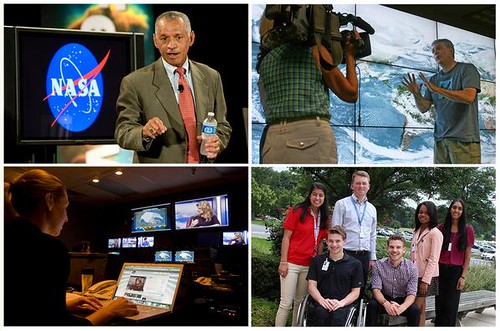
The Power of Multimedia in Grabbing Attention
Multimedia, which encompasses a combination of text, images, video, and audio, is inherently more engaging than textual content alone. This blend can capture attention more effectively and create a richer experience. Here are some ways multimedia grabs attention:
- Visual Appeal: High-quality images and graphics draw the eye and can convey complex messages quickly.
- Dynamic Content: Videos and animations increase interaction, often leading to longer engagement times.
- Storytelling: Combining visuals and audio can enhance narratives, making them more memorable.
Current Trends in Multimedia Engagement
As technology continues to advance, several trends have emerged influencing how multimedia is utilized for audience engagement:
- Interactive Multimedia: Content that invites audience participation—such as quizzes, polls, or interactive infographics—is gaining popularity. These formats encourage users to engage actively rather than passively consume content.
- Augmented Reality (AR): AR technology is being integrated into multimedia experiences to create immersive content. Brands use AR to showcase products in a virtual environment, allowing potential customers to visualize their purchases.
- Personalized Content: Using data analytics to deliver tailored multimedia experiences is increasingly common. Targeted video ads or personalized email newsletters with embedded media can significantly enhance engagement.
Strategies for Effective Multimedia Implementation
To effectively engage audiences with multimedia in 2026, consider adopting the following strategies:
1. Define Your Audience
Understanding your audience’s preferences and behaviors is crucial. Conduct surveys or utilize analytics tools to gather insights on what types of multimedia content resonate with them.
2. Maintain Quality Over Quantity
While it might be tempting to produce a high volume of multimedia content, focus on quality instead. High-resolution images, well-edited videos, and polished audio tracks will enhance your brand’s credibility.
3. Optimize for Multiple Platforms
Your multimedia content should be optimized for various platforms, whether it’s social media, websites, or mobile apps. Different platforms may require different formats or lengths of content.
4. Integrate User-Generated Content
Encouraging your audience to create and share their own multimedia content can boost engagement. Consider hosting contests or challenges that incentivize users to participate and share their experiences with your brand.
Measuring Engagement Effectively
To ensure your multimedia efforts are successful, it’s essential to track engagement metrics. Here’s how:
- Analyze Engagement Rates: Look at likes, shares, comments, and watch times to gauge how audiences are interacting with your content.
- Conduct A/B Testing: Experiment with different multimedia formats and content types. Measure which versions yield better engagement and adjust your strategies accordingly.
- Gather Feedback: Encourage audience feedback on your multimedia content through surveys or direct comments, helping you refine future strategies.
Conclusion
As we navigate through 2026, the role of multimedia in audience engagement cannot be overstated. By embracing current trends and implementing effective strategies, brands and content creators can foster deeper connections with their audiences. The future of audience engagement lies in creating compelling, interactive, and personalized multimedia experiences that resonate with viewers like never before.