Introduction
As we delve into 2026, the importance of multimedia in mental health continues to gain recognition. This dynamic field encompasses a variety of formats, including videos, podcasts, and interactive applications. With the ongoing global emphasis on mental well-being, exploring the intersection of multimedia and mental health reveals innovative strategies that aid healing and foster community.
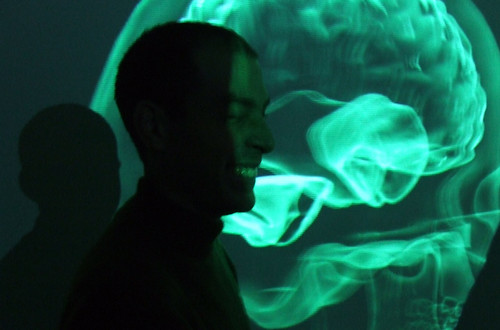
Understanding Multimedia’s Impact on Mental Health
Multimedia taps into various human senses, allowing for diverse expressions and experiences. Its use in mental health can be categorized into several key areas:
- Therapeutic Interventions: Multimedia tools, such as guided imagery videos and interactive apps, can facilitate relaxation and mindfulness.
- Support Communities: Online support groups leverage multimedia platforms to create a sense of belonging and understanding among individuals facing similar challenges.
- Education and Awareness: Informative multimedia content educates the public about mental health issues, helping to destigmatize conversations around mental well-being.
Therapeutic Applications: How Multimedia Aids Healing
Therapists and mental health professionals are increasingly integrating multimedia into treatment plans. For instance:
- Visual Arts: Art therapy utilizes various multimedia elements, from digital painting to photography, allowing patients to express their emotions creatively.
- Music Therapy: Audio and musical elements can significantly enhance relaxation and emotional expression, making music therapy an essential tool.
- VR Therapy: Virtual reality has emerged as a groundbreaking tool for exposure therapy, immersing patients in controlled environments to help them confront fears.
Building Community: The Role of Multimedia in Support Networks
Community is a vital aspect of mental health recovery. Multimedia platforms facilitate connections among individuals facing similar struggles:
- Online Groups: Platforms like Facebook and Discord host groups dedicated to mental health discussions, encouraging sharing and support.
- Podcasts and Webinars: Information-rich audio and video content fosters community engagement and provides valuable insights.
- Live Streaming: Mental health professionals utilize live streams to engage audiences in real-time discussions, providing immediate support and guidance.
The Role of Education in Promoting Mental Health Awareness
Education is crucial for changing perceptions and increasing awareness surrounding mental health. Multimedia plays a pivotal role in this aspect:
- Documentaries and Short Films: Visual storytelling can evoke empathy and understanding, making complex mental health issues more relatable.
- Social Media Campaigns: Hashtags and viral content raise awareness, encouraging open conversations about mental health.
- Interactive Workshops: Online workshops use multimedia presentations to educate participants on mental health strategies and coping mechanisms.
Innovative Platforms Making a Difference
Several innovative platforms and applications have emerged at the intersection of multimedia and mental health:
- Talkspace: This online therapy platform uses video messaging and voice notes to enhance communication between therapists and clients.
- Calm: An app that offers guided meditations, soothing soundscapes, and sleep stories, using multimedia to promote relaxation and mindfulness.
- Moodfit: A comprehensive app that tracks mood patterns and offers multimedia resources to aid mental health management, including articles and podcasts.
Challenges and Considerations
While multimedia offers transformative potential, several challenges must be addressed:
- Access and Equity: Not everyone has equal access to multimedia resources, creating disparities in mental health support.
- Quality Control: Ensuring that multimedia resources are evidence-based and created by qualified professionals is paramount.
- Privacy Concerns: Users must navigate privacy issues when engaging with online platforms and multimedia content.
The Future of Multimedia in Mental Health
As we look forward to the next decade, the integration of multimedia in mental health is expected to evolve significantly:
- AI-Driven Personalization: Artificial intelligence will likely tailor multimedia resources to individual needs, enhancing user experience and effectiveness.
- Advanced Augmented Reality (AR): AR applications may provide immersive experiences that promote healing and understanding of mental health.
- Collaborative Platforms: We may see increased collaboration between mental health professionals and multimedia creators to produce impactful content.
Conclusion
In 2026, the role of multimedia in mental health is undeniably transformative. From therapeutic interventions to community-building and education, multimedia serves as a bridge between individuals and the support they need. By embracing these tools and addressing the challenges ahead, we can cultivate a more inclusive and supportive environment for mental health awareness and healing.