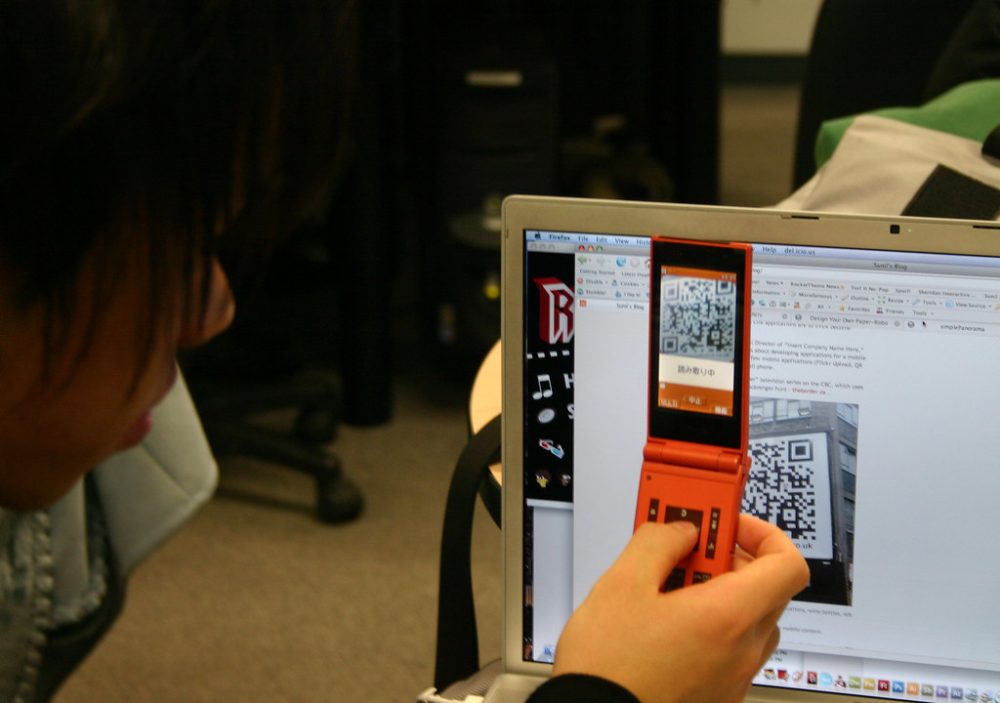
Introduction to Multimedia and AI
As we dive into 2026, we find ourselves at an exciting junction where multimedia and artificial intelligence (AI) converge. This synergy is not just a buzzword; it’s transforming how content is created, distributed, and consumed across various platforms. This article explores the innovative ways in which AI is enhancing multimedia experiences, driving engagement, and reshaping creative processes.
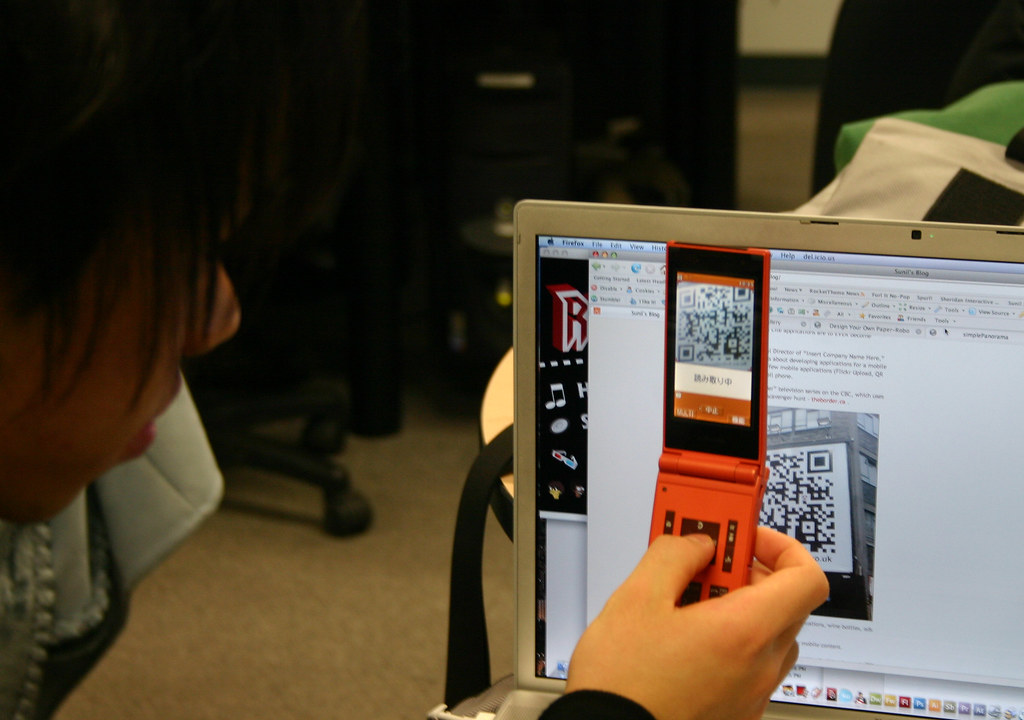
The Role of AI in Multimedia Creation
AI technology has evolved significantly over the past few years, leading to groundbreaking advancements in multimedia creation. Here are some key areas where AI is making its mark:
- Content Generation: AI tools can now generate music, graphics, and even video clips autonomously. Platforms like OpenAI’s DALL-E and Jukedeck allow creators to input parameters and receive unique multimedia content in return.
- Automated Editing: AI algorithms analyze raw footage and automatically edit videos, suggesting cuts, transitions, and effects, which saves valuable time for creators.
- Personalization: AI-driven systems analyze user preferences and behavior to suggest personalized multimedia content, enhancing user engagement.
AI-Powered Tools for Multimedia Creators
The accessibility of AI tools has democratized multimedia creation. Independent creators and small businesses are now able to produce high-quality multimedia with limited budgets. Some popular tools include:
- Canva: Known for its design capabilities, Canva now incorporates AI to suggest layouts and designs that fit a user’s brand style.
- Descript: This editing tool uses AI to allow users to edit audio and video by editing text transcripts, simplifying the editing process.
- Runway ML: This platform offers AI tools for video editing and visual effects, allowing creators to generate unique scenes easily.
The Impact of AI on Multimedia Distribution
Beyond creation, AI is also transforming how multimedia content is distributed and consumed. Here are some key trends:
- Enhanced Recommendations: Streaming services like Netflix and Spotify utilize AI algorithms to analyze viewing habits, providing users with tailored recommendations that keep them engaged longer.
- Dynamic Content Creation: AI enables real-time content adjustment based on user interactions. For instance, news organizations use AI to tailor articles to different demographics.
- Voice Assistants: The rise of smart speakers has changed how users access multimedia content. AI-driven voice assistants can now curate playlists, read articles, or summarize podcasts.
User Engagement through AI-Driven Multimedia
User engagement is crucial for any multimedia strategy, and AI is providing innovative ways to enhance this. Engaging users requires understanding their preferences and behaviors, and AI plays a pivotal role here. Also read: ajo89 for more insights.
- Interactive Experiences: AI technology is being used to create interactive storytelling where users can influence the narrative through their choices, as seen in platforms like Twine.
- Virtual Reality (VR) and Augmented Reality (AR): The integration of AI with VR and AR is creating immersive experiences. Users can interact with digital elements in real time, changing the way they experience multimedia content.
- Gamification: AI algorithms are increasingly being integrated into gamified experiences, where multimedia content is designed to be interactive and rewarding.
Challenges and Ethical Considerations
With great power comes great responsibility. The rise of AI in multimedia does not come without challenges:
- Content Authenticity: The ability of AI to generate realistic multimedia raises questions about authenticity and copyright, leading to potential legal issues.
- Bias in AI: If not properly managed, AI algorithms can perpetuate existing biases in the content they create or recommend, leading to a lack of diversity in multimedia.
- User Privacy: AI-driven personalization often requires data collection, raising concerns about user privacy and data security.
Best Practices for Ethical AI Use in Multimedia
To navigate these challenges, creators and organizations should consider the following best practices:
- Transparency: Clearly communicate how AI is used in content creation and distribution, fostering trust with users.
- Diversity in Data: Ensure that the data used to train AI models is diverse to avoid bias and promote inclusivity in multimedia content.
- User Privacy:** Ensure that any data collection complies with local regulations and prioritizes user consent and privacy.
The Future of Multimedia Enhanced by AI
The merging of multimedia and AI is only set to grow in significance as we progress further into the 2020s. With advancements in machine learning and deep learning, we can expect:
- More Personalized Experiences: As AI continues to learn from user interactions, customization will become even more sophisticated, offering hyper-personalized multimedia experiences.
- Greater Interactivity: The integration of AI in AR and VR will lead to even more engaging and interactive multimedia experiences.
- Innovative Collaboration: AI tools will facilitate collaboration among creators by suggesting ideas and automating repetitive tasks, allowing for greater focus on creativity.
Conclusion
As multimedia continues to evolve in tandem with artificial intelligence, the opportunities for creativity and audience engagement are limitless. By embracing the potential of AI while being mindful of the ethical implications, we can shape a multimedia landscape that is innovative, inclusive, and engaging for all. With 2026 promising to be a pivotal year, it will be interesting to see how these trends unfold and redefine the ways we experience multimedia.