Introduction to Multimedia Storytelling
In the digital age, multimedia storytelling has emerged as a powerful tool for conveying narratives. As we progress through 2026, the integration of various media forms—text, images, video, and audio—continues to redefine how stories are told and experienced. This article delves into the current trends and techniques in multimedia storytelling, exploring its impact across different sectors.
What is Multimedia Storytelling?
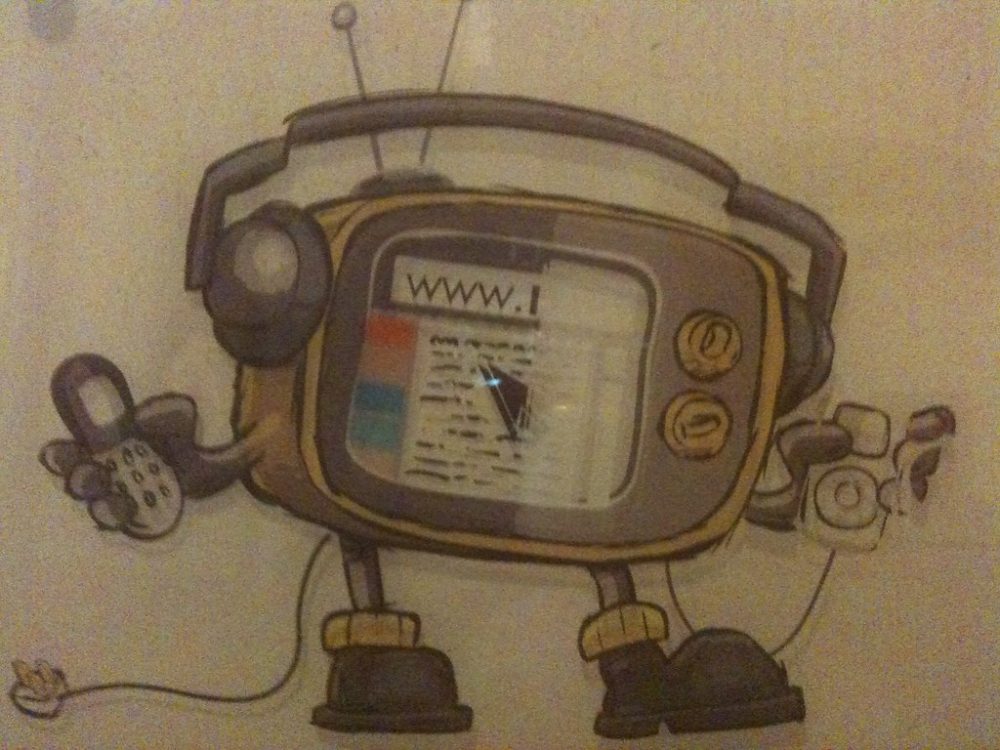
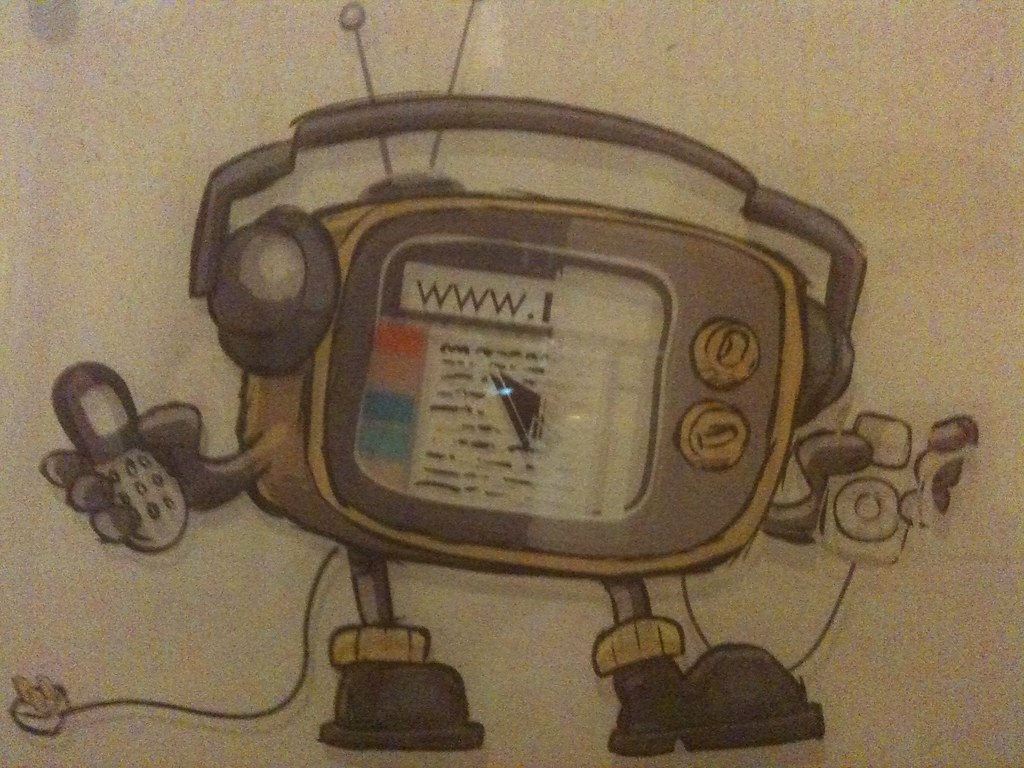
Multimedia storytelling involves the use of multiple forms of media to present information and narratives. This approach not only enhances engagement but also caters to diverse audience preferences. By combining elements such as written content, visuals, sound, and interactivity, storytellers can create richer, more immersive experiences.
Key Components of Multimedia Storytelling
- Text: The foundation of any narrative, providing context and information.
- Images: Visual elements that enhance understanding and retention of information.
- Video: A dynamic medium that adds a personal touch and emotional depth.
- Audio: Soundscapes and narration that can evoke strong emotional responses.
- Interactivity: Features that allow users to engage with the content, creating a personalized experience.
The Evolution of Storytelling Techniques
Over the years, storytelling techniques have evolved to adapt to audience preferences and technological advancements. As of 2026, several trends are shaping the landscape of multimedia storytelling:
1. Immersive Experiences through Virtual and Augmented Reality
Virtual Reality (VR) and Augmented Reality (AR) have taken storytelling to new heights. By immersing users in a 360-degree narrative environment, these technologies allow audiences to experience stories in a more visceral way. For example, museums and educational institutions are using VR to transport visitors to historical events, enhancing learning and retention.
2. Interactive Narratives
Interactive storytelling enables audiences to make choices that influence the unfolding of a story. This approach has gained popularity in gaming and digital media, where user agency enhances the overall experience. Platforms like Twine and Choose Your Own Adventure have popularized this concept, allowing creators to craft complex narratives that adapt based on user decisions.
3. Short-form and Snackable Content
As attention spans decrease, the demand for shorter, easily consumable content has risen. Platforms like TikTok have popularized brief videos that convey stories quickly and effectively. Content creators are now focusing on delivering impactful messages in seconds, keeping audiences engaged without overwhelming them.
4. Integration of Social Media
Social media platforms have become essential for storytelling, enabling creators to share narratives in real-time. Stories on platforms like Instagram and Snapchat allow users to engage with content in a more personal way, fostering a connection between the storyteller and the audience. Brands leverage this trend to build community and enhance customer loyalty through relatable content.
The Impact of Multimedia Storytelling Across Sectors
Multimedia storytelling is not limited to entertainment; it has significant implications across various fields:
1. Education
In educational settings, multimedia tools enhance learning by making content more engaging. Interactive presentations and educational videos facilitate better understanding and retention of complex subjects.
2. Marketing and Branding
In the marketing realm, brands are utilizing multimedia storytelling to forge deeper emotional connections with their audiences. Effective storytelling campaigns can create lasting impressions and drive customer loyalty.
3. Journalism
In the world of journalism, multimedia storytelling is vital for presenting news and information in compelling ways. Journalists are integrating videos, podcasts, and infographics to provide more context and enhance audience engagement.
4. Nonprofits and Advocacy
Nonprofit organizations are leveraging multimedia storytelling to raise awareness about social issues. By sharing impactful stories through various media, they can motivate action and drive community engagement.
Challenges and Considerations
Despite its many advantages, multimedia storytelling also presents challenges. Some of the key considerations include:
- Technical Skills: Creators need a diverse skill set to effectively combine different media forms.
- Accessibility: Ensuring that multimedia content is accessible to all audiences, including those with disabilities, is crucial.
- Content Overload: With an abundance of content available, capturing and maintaining audience attention can be challenging.
- Resource Intensive: High-quality multimedia production can require significant time and financial investment.
The Future of Multimedia Storytelling
As we look ahead, the future of multimedia storytelling appears promising. The ongoing advancements in technology will likely introduce new tools and platforms that further enhance storytelling techniques. By embracing innovation and focusing on audience engagement, creators can continue to push the boundaries of how stories are told and experienced.
Conclusion
In 2026, multimedia storytelling remains a dynamic and evolving field. By incorporating various media forms, storytellers can create richer, more engaging experiences that resonate with audiences across different sectors. As technology continues to evolve, staying current with trends and techniques will be essential for anyone looking to harness the power of multimedia storytelling.