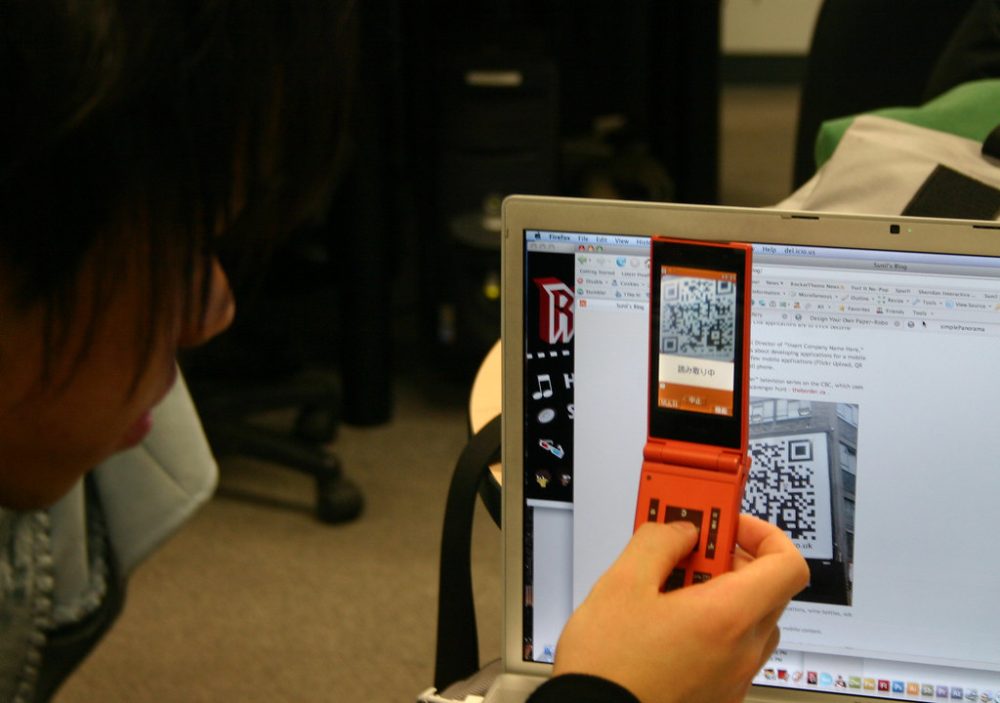
Understanding Multimedia Consumption in 2026
As we progress through 2026, the way we consume multimedia has undergone significant changes. With advancements in technology, audiences are not just passive consumers anymore; they actively engage with content in ways that were unimaginable a decade ago. This article explores the important trends, technologies, and strategies that are reshaping multimedia consumption.
The Role of Personalization in Multimedia Experiences
Personalization has taken center stage in multimedia consumption. Viewers now expect content tailored to their preferences, and platforms are leveraging data analytics to enhance user experiences. Here are some key aspects of personalization:
- Behavioral Tracking: Platforms track user interactions to suggest relevant content.
- Dynamic Content Creation: Algorithms create content variations based on user preferences and past behaviors.
- AI-Driven Recommendations: Artificial intelligence systems analyze user data to enhance recommendation systems.
Benefits of Personalization
Personalized multimedia experiences offer several advantages:
- Increased Engagement: Tailored content keeps users interested and increases interaction time.
- Better Retention: Viewers are more likely to return to platforms that consistently deliver content suited to their tastes.
- Higher Conversion Rates: For brands, personalized messaging can lead to higher sales and customer loyalty.
The Impact of Virtual and Augmented Reality
Virtual Reality (VR) and Augmented Reality (AR) have reached new heights in 2026. Both technologies have expanded the immersive capabilities of multimedia, creating experiences that are not only engaging but also transformative. Also read: wak89 for more insights.
Applications in Various Sectors
VR and AR have found applications across different sectors:
- Entertainment: Video games and films are being developed with immersive elements, allowing consumers to step into the story.
- Healthcare: Training simulations for medical professionals using VR are becoming a standard in medical education.
- Real Estate: Potential buyers can take virtual tours of properties from the comfort of their homes.
Social Media and User-Generated Content
Social media continues to play a vital role in multimedia consumption. User-generated content (UGC) has become a powerful tool for brands and creators alike. Let’s dive into key trends surrounding UGC:
Trend Highlights
- Authenticity: Consumers prefer content that feels real and relatable over polished advertising.
- Community Building: UGC fosters communities where users feel more connected to brands and to each other.
- Interactive Content: Polls, quizzes, and interactive videos engage audiences and encourage participation.
Subscription Services and Streaming Dominance
The subscription model has taken the multimedia space by storm in 2026. Consumers are moving away from traditional cable services towards on-demand streaming platforms.
Key Factors for Subscription Services
- Content Variety: Platforms that offer diverse and exclusive content tend to attract more subscribers.
- Flexible Access: Subscribers enjoy the ability to watch content anytime, anywhere on various devices.
- Affordable Pricing: Competitive pricing strategies make subscription services appealing to a broader audience.
Conclusion: Embracing the Future of Multimedia Consumption
As we approach the latter half of 2026, understanding the dynamics of multimedia consumption is essential for creators, brands, and consumers alike. Personalization, AR/VR, UGC, and subscription models are not just trends; they are reshaping how we experience multimedia. Embracing these changes will allow stakeholders to connect more effectively with their audiences, creating a richer, more engaging multimedia landscape.