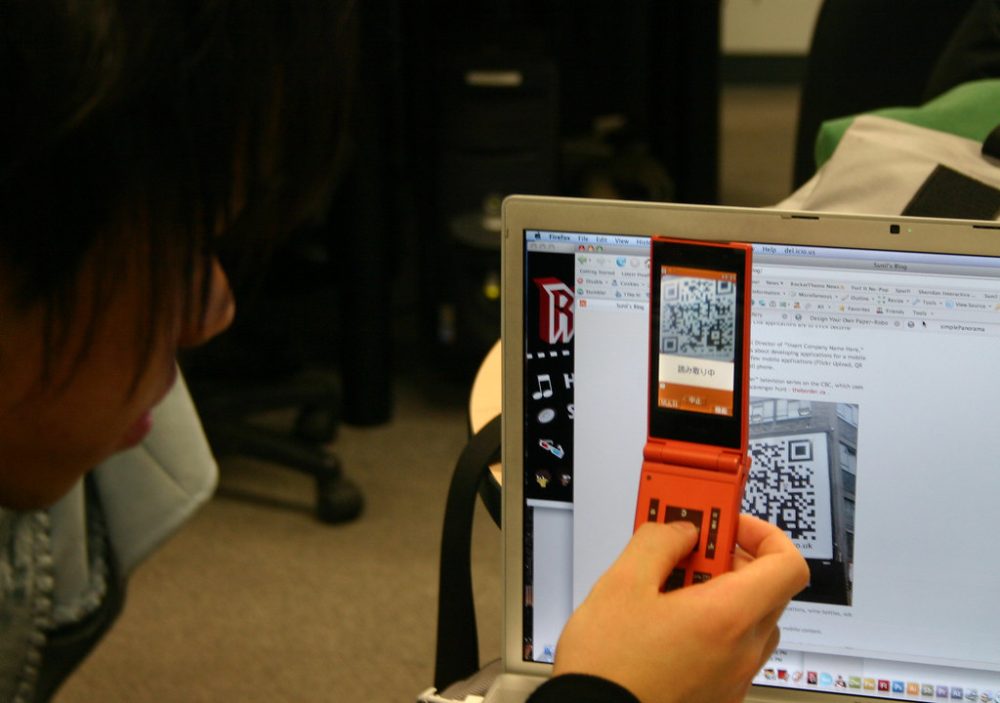
Introduction to Multimedia Advertising
In the dynamic digital landscape of 2026, multimedia advertising has emerged as a powerful tool for brands aiming to capture audience attention and drive engagement. With the proliferation of platforms and the increasing sophistication of technology, multimedia advertising is no longer just a creative outlet, but a strategic necessity for businesses.
Understanding Multimedia Advertising
Multimedia advertising refers to the use of various content formats—such as video, audio, images, and text—to convey marketing messages. This approach allows brands to connect with consumers more effectively by appealing to multiple senses and creating immersive experiences.
The Growth of Multimedia Advertising in 2026
The growth of multimedia advertising can be attributed to several factors, including:
- Increased Internet Penetration: With over 5 billion global internet users as of 2026, brands have a vast audience to reach.
- Advancements in Technology: Improved accessibility to high-quality tools and software has made creating multimedia content easier than ever.
- Changing Consumer Preferences: Modern consumers expect rich, engaging content that tells a story, making traditional advertising less effective.
Multimedia Formats Shaping Advertising
Video Ads
Video content remains the king of multimedia advertising. Platforms like TikTok, YouTube, and Instagram have ushered in an era of short-form videos that can engage viewers within seconds. As of 2026, brands are utilizing live streaming and interactive videos to foster real-time engagement.
Audio Branding
With the rise of podcasts and smart speakers, audio has become an essential aspect of multimedia advertising. Brands are leveraging audio clips and jingles to create memorable audio identities that resonate with listeners.
Infographics and Visuals
Eye-catching visuals, including infographics and graphics, are vital for quickly conveying complex information. Successful brands are using data visualization techniques to ensure their messages remain clear and engaging.
Best Practices for Effective Multimedia Advertising
1. Know Your Audience
Understanding your target audience’s preferences and behaviors is crucial in creating effective multimedia content. Brands must research demographics, interests, and consumption patterns to tailor their messages accordingly.
2. Optimize for Mobile
As most users consume multimedia content on mobile devices, ensuring mobile optimization is imperative. This includes fast loading times, mobile-friendly layouts, and responsive designs.
3. Integrate Across Channels
Effective multimedia advertising involves a cohesive strategy across multiple platforms. Brands should create a consistent message that resonates regardless of the medium through which it’s delivered.
4. Encourage Interaction
Interactive content, such as quizzes, polls, and user-generated content, fosters deeper engagement and encourages users to participate actively with the brand.
Challenges in Multimedia Advertising
1. Information Overload
In a world inundated with content, standing out can be challenging. Brands must create unique, engaging content that captures attention in a crowded environment.
2. Keeping Up with Trends
The multimedia landscape evolves rapidly. Brands should stay ahead of trends to ensure their content remains relevant and resonates with audiences.
3. Measuring Effectiveness
With various formats and platforms, measuring the success of multimedia advertising can be complex. Brands need clear metrics to evaluate engagement and conversion rates effectively.
The Future of Multimedia Advertising
As we look ahead, the future of multimedia advertising will likely be characterized by:
- Augmented and Virtual Reality: These technologies offer immersive experiences that can transform brand interactions.
- Personalization: Brands will increasingly leverage data analytics to create personalized content tailored to individual preferences.
- Artificial Intelligence: AI tools will enhance content creation, distribution, and performance analysis, allowing for more dynamic advertising strategies.
Conclusion
Multimedia advertising is evolving at an unprecedented rate in 2026, offering brands an array of tools to connect with consumers in meaningful ways. By embracing this dynamic approach and understanding the intricacies involved, businesses can effectively navigate the complexities of modern advertising and build lasting relationships with their audiences.