The New Era of Multimedia
As we navigate through 2026, the multimedia landscape is undergoing a seismic shift fueled by advancements in artificial intelligence (AI) and digital technologies. These changes are not just enhancing creative processes but are also paving the way for unprecedented forms of expression and interaction.
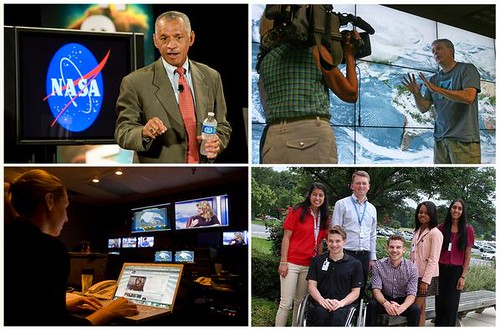
AI: The Creative Companion
Artificial intelligence is revolutionizing how content is created and consumed in the multimedia domain. Tools powered by AI are becoming essential for artists, designers, and content creators, enabling them to push boundaries in ways that were previously unimaginable. Here are some notable advancements:
- Automated Content Generation: AI technologies can analyze data and generate creative content, including videos, music, and graphics, tailored to audience preferences.
- Personalization: AI algorithms can provide personalized multimedia experiences for users, analyzing their habits and preferences to curate content that resonates deeply.
- Enhanced Collaboration: AI tools facilitate real-time collaboration among creators, breaking geographical barriers and allowing teams to work seamlessly.
The Rise of Interactive Multimedia Experiences
In 2026, traditional storytelling has evolved into interactive experiences that engage users on multiple levels. Brands and creators are harnessing this trend to create immersive experiences that captivate audiences. Some examples include:
- Augmented Reality (AR): AR applications are becoming commonplace in advertising and marketing, allowing users to interact with products in their environment before making a purchase decision.
- Virtual Reality (VR): VR is taking storytelling to new heights, allowing consumers to step into narratives and experience them from within, whether it’s a game, a documentary, or an educational platform.
- Gamification: Integrating game mechanics into multimedia content is enhancing user engagement, transforming passive viewers into active participants.
Embracing Diversity and Inclusion in Multimedia
In 2026, the push for diversity and inclusion in multimedia content is stronger than ever. Creators are being encouraged to tell stories that reflect the diverse world we live in. This shift towards inclusivity is resulting in: Also read: Gan89 for more insights.
- Authentic Representation: Content creators are more mindful about representing various cultures, backgrounds, and experiences, ensuring that their work resonates with a wider audience.
- Collaborative Content Creation: Multimedia projects are increasingly being developed through collaborative efforts that include diverse voices, leading to richer narratives.
The Role of Data in Multimedia Creation
Data is playing an increasingly important role in shaping multimedia content. By analyzing viewer data, creators can make informed decisions that enhance the effectiveness of their projects. Key applications of data in multimedia include:
- Targeted Marketing: Businesses are utilizing data analytics to tailor their multimedia campaigns, ensuring that they reach the right audience with the right message.
- Content Optimization: By studying viewer interactions and feedback, creators can refine their multimedia projects in real-time, improving engagement and satisfaction.
Future Prospects: The Next Frontier in Multimedia
Looking ahead, the multimedia industry is set to embrace even more innovative approaches. As we progress through 2026 and beyond, potential developments may include:
- Holistic Multimedia Platforms: Expect a rise in comprehensive platforms that integrate multiple formats—text, video, audio, and interactive elements—into a single cohesive experience.
- AI-Driven Analytics: Advanced analytics tools powered by AI will provide deeper insights into audience behavior, enabling creators to adapt content strategies dynamically.
- Sustainability in Multimedia Production: As environmental concerns grow, the industry will likely focus on developing sustainable practices in production and distribution.
Conclusion: Embracing Change in the Multimedia Landscape
The multimedia industry in 2026 is characterized by a profound integration of AI and new technologies, fostering creativity and pushing the boundaries of traditional media. By embracing diversity, data-driven strategies, and interactive experiences, content creators are reshaping how stories are told and experienced. As we move forward, it will be essential to remain agile and innovative to keep pace with this rapidly evolving field.