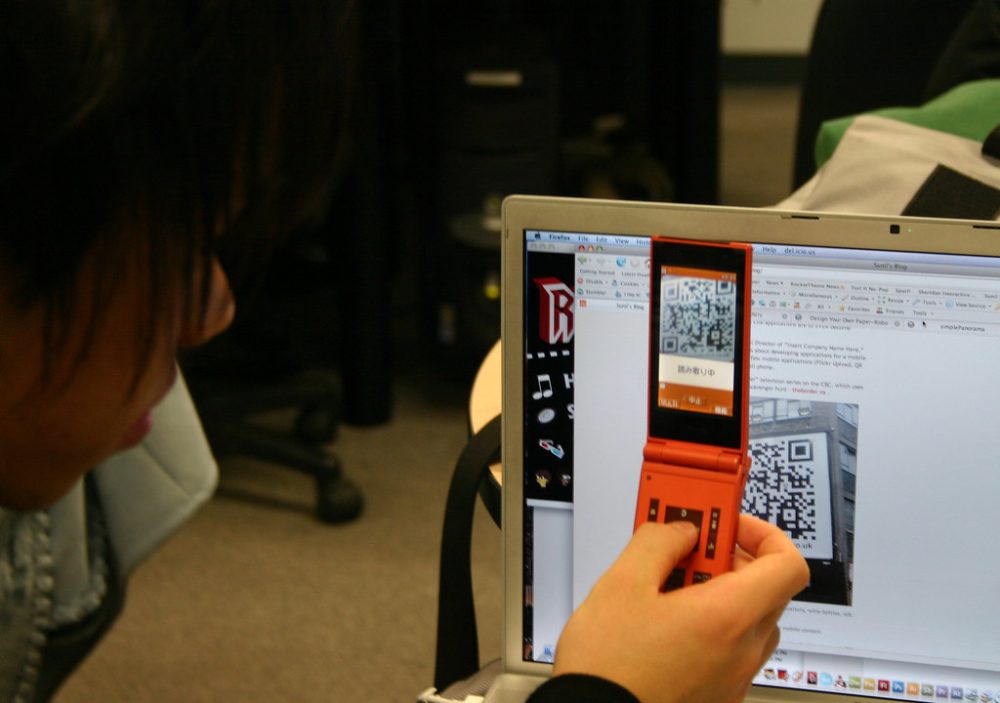
The Multimedia Renaissance: Crafting Digital Narratives in 2026
As we delve into 2026, the realm of multimedia continues to evolve rapidly, transforming the way we communicate, entertain, and engage. The convergence of various media forms has led to a renaissance in storytelling that encompasses rich visuals, immersive audio, and interactive experiences. This article explores how these elements come together to craft compelling digital narratives that resonate with audiences worldwide.
Understanding the Components of Multimedia
Multimedia, at its core, refers to the integration of different content forms such as text, audio, images, animations, and video to deliver a cohesive message. In the digital landscape of 2026, these components are not just coexisting; they are intertwined in ways that amplify their individual strengths.
- Text: The foundational element, providing context and narrative structure.
- Audio: Enhancing emotional engagement through soundscapes and voiceovers.
- Images: Capturing attention and conveying information quickly.
- Video: Offering dynamic storytelling through motion and visual engagement.
- Interactivity: Allowing audiences to participate, creating a personalized experience.
The Role of Innovation in Multimedia Storytelling
In 2026, technological advancements have paved the way for innovative storytelling techniques that engage audiences in unprecedented ways. Here are several key innovations:
- Augmented Reality (AR): Blending digital information with the real world, AR adds layers to narratives, allowing users to interact with the environment. Brands are increasingly utilizing AR to create immersive experiences that captivate users.
- 360-Degree Videos: These allow viewers to experience a scene from all angles, fostering a sense of presence that traditional video cannot achieve. This format is particularly powerful for documentaries and travel content.
- Interactive Infographics: Instead of static visuals, interactive infographics enable users to explore data dynamically, making complex information more accessible and engaging.
- Voice Technology: With the rise of virtual assistants, storytelling can now be conducted through voice interactions, creating a hands-free and intimate experience for audiences.
Creating Compelling Narratives in a Multimedia Environment
As creators, the challenge lies in weaving these components and innovations into narratives that resonate. Here are some strategies to consider:
- Define Your Core Message: Before integrating multimedia elements, clarify the central message you wish to convey. This will guide your content choices and ensure coherence.
- Understand Your Audience: Tailor your multimedia elements to suit the preferences and behaviors of your target audience. Engaging with them through surveys or analytics can inform your decisions.
- Leverage Technology Wisely: Utilize emerging technologies that complement your narrative rather than overwhelming it. The goal is to enhance the storytelling experience, not to distract from it.
- Encourage Interaction: Design your multimedia content to encourage audience participation. This can be through polls, comments, or interactive features that prompt them to engage.
The Impact of Multimedia on Various Sectors
The influence of multimedia extends beyond entertainment; it plays a critical role across various sectors:
- Education: Educational institutions are incorporating multimedia into curricula to enhance learning outcomes. Interactive simulations and video lectures make complex subjects more digestible.
- Marketing: Brands are leveraging storytelling through multimedia campaigns to create emotional connections with consumers. Engaging narratives resonate more than traditional advertisements.
- Health Communication: Multimedia is pivotal in public health campaigns, as it simplifies complex information, making it more accessible and engaging for the general public.
Future Prospects: What Lies Ahead for Multimedia
As we look toward the future, the potential of multimedia seems boundless. Innovations in artificial intelligence, machine learning, and data analytics will further refine how we create and consume multimedia content. This ongoing evolution promises exciting possibilities:
- Personalization: With enhanced data capabilities, multimedia content can be tailored to individual preferences, offering a unique experience for each user.
- Increased Accessibility: Advances in technology will likely improve accessibility for diverse audiences, ensuring that everyone can engage with multimedia content.
- Cross-Platform Experiences: The seamless integration of multimedia across various devices and platforms will become standard, allowing users to enjoy narratives in a consistent manner regardless of medium.
In conclusion, the multimedia renaissance of 2026 offers an exciting landscape for creators and consumers alike. By leveraging innovative technologies and crafting compelling narratives, we can enrich our digital experiences and foster deeper connections among audiences. As this field continues to evolve, it is essential to stay curious, adaptable, and open to the endless possibilities that multimedia presents.