Introduction
In today’s interconnected world, multimedia has emerged as a powerful tool for social movements, enabling activists to amplify their voices, spread awareness, and mobilize support. As we dive into 2026, the influence of multimedia on social movements has only intensified, reshaping how campaigns are created and executed. This article explores the critical role multimedia plays in contemporary social movements, examining its effectiveness, challenges, and future potential.
The Amplification of Voices through Multimedia
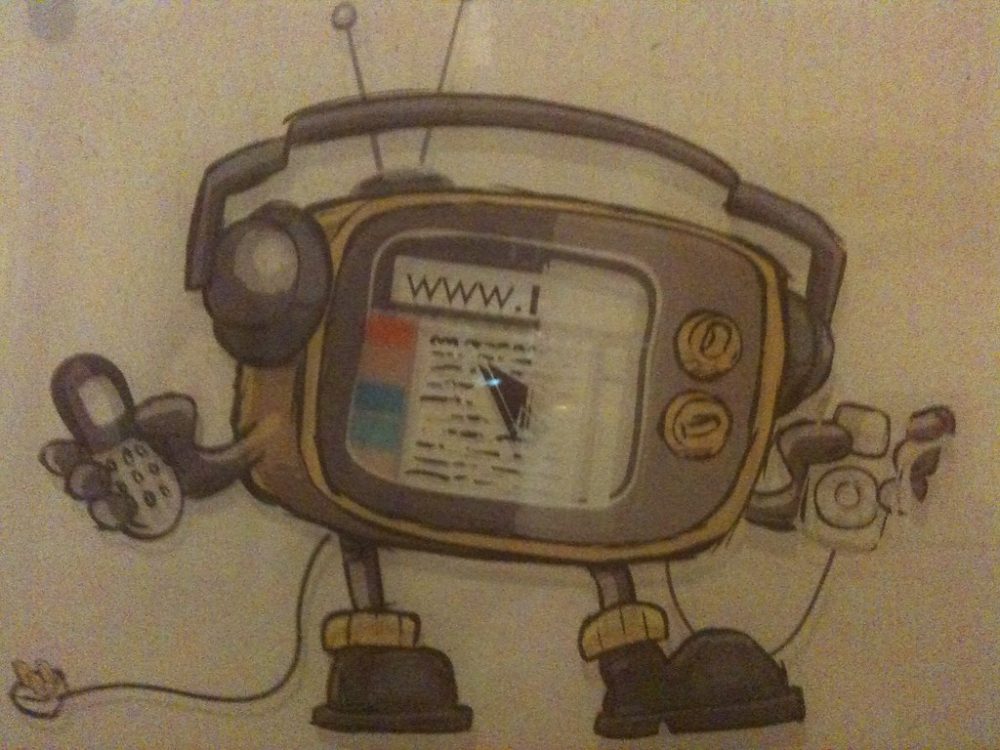
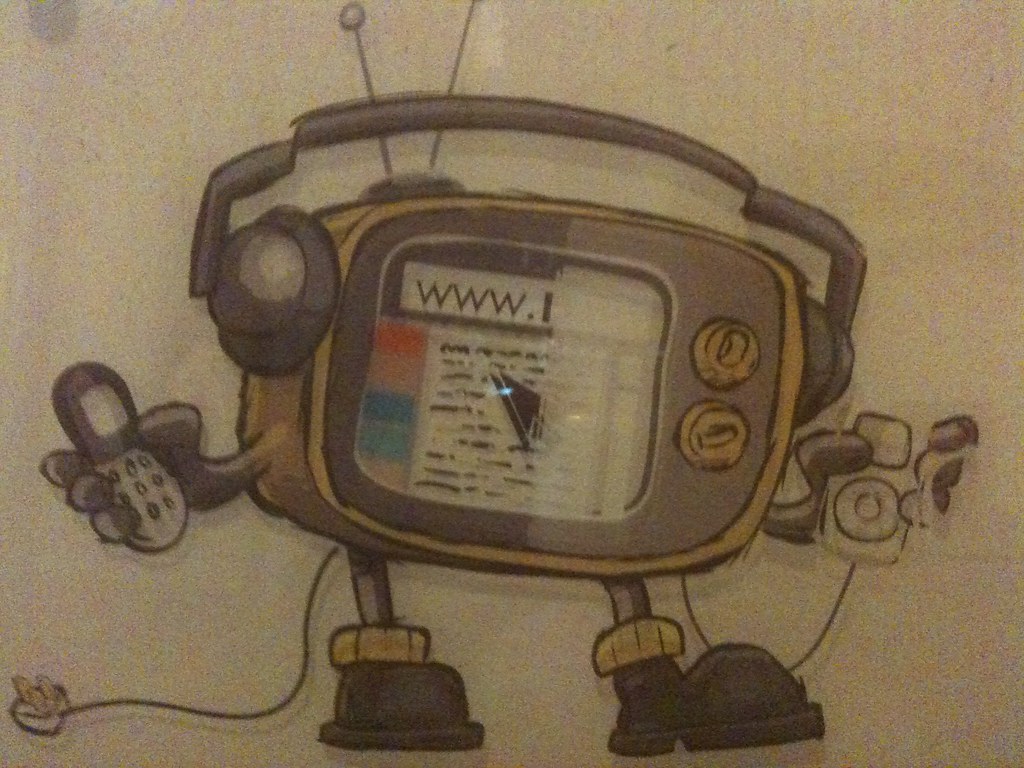
Multimedia encompasses a variety of content forms, including images, videos, podcasts, and interactive graphics. This diversity allows social movements to tailor their messaging to resonate with different audiences. The key benefits of using multimedia in social movements include:
- Increased Accessibility: Multimedia content can reach a broader audience across various platforms such as social media, websites, and streaming services. This accessibility ensures that messages are not confined to traditional media outlets.
- Emotional Impact: Visual and audio elements can evoke strong emotions, making issues more relatable and personal. Images of protests, video testimonials, and impactful graphics can foster empathy and understanding.
- Enhanced Engagement: Interactive multimedia, such as virtual reality experiences or live streams, can engage audiences more effectively than static text or images alone. This engagement encourages participation and activism.
Case Studies: Multimedia in Action
To better understand how multimedia is shaping social movements, let’s take a look at some recent case studies that highlight its effectiveness:
1. Climate Action Campaigns
In recent years, climate movements like Fridays for Future have utilized social media platforms and multimedia content to rally support. Short videos highlighting climate disasters and calls to action have been widely shared, helping to mobilize millions globally.
2. Social Justice Movements
Movements like Black Lives Matter have effectively used multimedia tools to document injustices and amplify personal stories. The use of video footage from protests and police encounters has played a crucial role in raising awareness and generating conversations about systemic racism.
3. Women’s Rights Activism
In 2026, women’s rights movements have leveraged podcasts and web series to discuss issues such as gender inequality and reproductive rights. These multimedia formats offer a platform for diverse voices and create a sense of community among activists.
Challenges in Utilizing Multimedia for Social Movements
While multimedia offers numerous advantages, challenges also arise in its application for social movements:
- Information Overload: The sheer volume of multimedia content available can overwhelm audiences, making it difficult for important messages to stand out.
- Misinformation: The rapid spread of multimedia can also lead to the dissemination of false information, which can undermine credibility and trust.
- Resource Limitations: Not all movements have access to the tools and expertise necessary to create high-quality multimedia content, potentially widening the gap between well-funded organizations and grassroots efforts.
The Future of Multimedia in Social Movements
As we move further into 2026, the role of multimedia in social movements is likely to evolve. Here are a few trends to watch:
- Virtual and Augmented Reality: Advances in VR and AR technology could provide immersive experiences that deepen understanding and empathy for social issues.
- AI-Driven Content Creation: Artificial intelligence may help activists create compelling multimedia content more efficiently, allowing for quicker responses during fast-moving social movements.
- Cross-Platform Strategies: Successful movements will likely adopt multi-channel strategies, utilizing various platforms and formats to engage diverse audiences effectively.
Conclusion
In conclusion, multimedia has become an indispensable asset for contemporary social movements. Its ability to engage, inform, and mobilize individuals offers unprecedented opportunities for activism in 2026 and beyond. As technology continues to advance, the evolution of multimedia will undoubtedly shape the future of social movements, making it essential for activists to harness its full potential.