
Introduction to Multimedia in Corporate Communication
In the fast-paced world of business, effective communication is crucial for success. As we move through 2026, multimedia has emerged as a powerful tool for enhancing corporate communication. It not only helps in conveying information more effectively but also engages audiences in a way that traditional methods cannot. This article delves into how multimedia is transforming corporate communication and the strategies businesses can employ to leverage its potential.
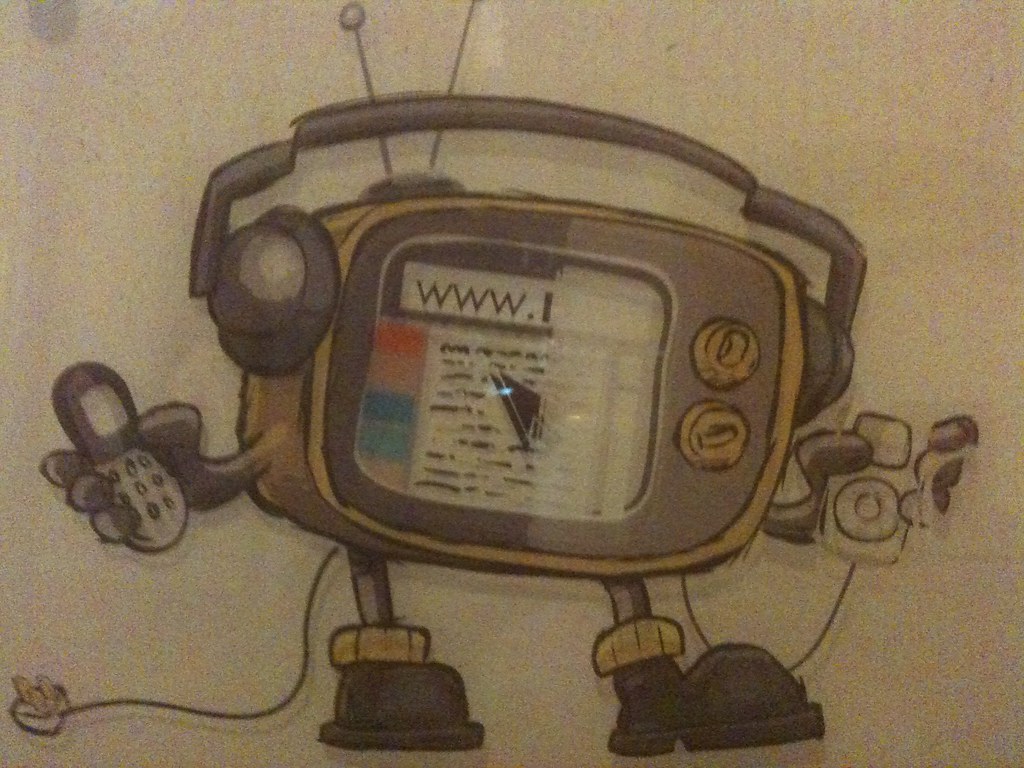
The Rise of Multimedia in Corporate Strategies
With the rapid evolution of technology, corporate communication has also evolved. The integration of multimedia elements such as videos, infographics, and interactive content has become essential for businesses looking to stay relevant. Here are some key aspects of this shift:
- Enhanced Engagement: Multimedia content captures attention quickly, making it easier for companies to engage employees and clients alike.
- Storytelling Capabilities: Using multimedia allows businesses to tell compelling stories that resonate with their audience.
- Retention of Information: Studies show that people retain information better when it’s presented visually and audibly.
How Multimedia Enhances Internal Communication
Effective internal communication is vital for any organization. Multimedia tools can significantly enhance this aspect in several ways:
- Video Conferencing: Platforms like Zoom and Microsoft Teams have made it easier for teams to collaborate in real time, breaking geographical boundaries.
- Interactive Training Modules: Engaging training content that incorporates videos and quizzes can improve employee learning and retention.
- Visual Dashboards: Data visualizations can present complex information in a digestible format, helping employees make informed decisions quickly.
External Communication and Brand Image
Beyond internal communication, multimedia plays a critical role in shaping a company’s brand image and enhancing its external communication.
The Impact of Video Marketing
Video marketing has become one of the most effective strategies for engaging customers. Companies can utilize video to:
- Showcase Products: High-quality product demos can build consumer trust and facilitate purchasing decisions.
- Tell Brand Stories: Companies can share their mission, vision, and values through storytelling, connecting on a deeper level with consumers.
- Deliver Testimonials: Video testimonials from satisfied customers add credibility and authenticity to a brand.
Utilizing Social Media for Multimedia Content
Social media platforms serve as a dynamo for multimedia content distribution. They enable companies to:
- Engage with Audiences: Regularly sharing multimedia content can foster a community around a brand.
- Run Targeted Campaigns: Utilizing platforms like Instagram and TikTok for short, catchy videos can increase brand visibility.
- Receive Instant Feedback: Multimedia posts often garner faster responses, allowing companies to adjust their strategies in real time.
Challenges in Implementing Multimedia Strategies
Despite the clear benefits, integrating multimedia into corporate communication strategies does come with challenges:
- Resource Intensive: Creating high-quality multimedia content often requires investment in tools and skilled personnel.
- Consistency of Message: With different formats, ensuring a consistent brand message can be complicated.
- Management of Feedback: With the instant nature of multimedia on social media, companies must be prepared to manage both positive and negative feedback swiftly.
Best Practices for Corporate Multimedia Communication
To overcome these challenges and maximize the effectiveness of multimedia communication, businesses should consider the following best practices:
- Invest in Quality: Whether it’s hiring professionals or using advanced tools, ensure your multimedia content is high quality.
- Focus on Audience Needs: Tailor content to meet the interests and needs of your target audience, keeping them engaged.
- Measure and Analyze: Use analytics tools to track engagement levels and adjust strategies accordingly.
Conclusion: The Future of Multimedia in Corporate Communication
As we continue to navigate 2026, the role of multimedia in corporate communication is set to grow even further. Businesses that effectively harness the power of multimedia will find themselves better positioned to communicate their message, engage with their audience, and strengthen their brand image. By overcoming challenges and adhering to best practices, organizations can ensure that they are not only participants in this multimedia revolution but also leaders in their respective industries.