Introduction to Multimedia and User-Generated Content
In the ever-evolving digital landscape of 2026, the convergence of multimedia and user-generated content (UGC) has transformed the way we consume, create, and share information. This article delves into the dynamic relationship between these two powerful mediums and explores how they are reshaping communication, engagement, and creativity.
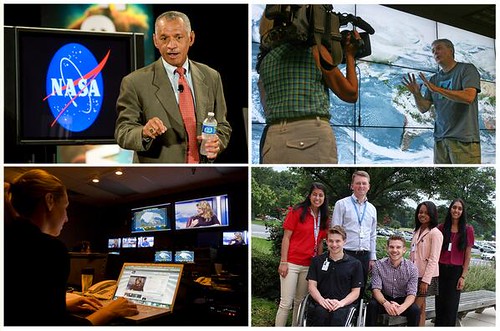
The Rise of User-Generated Content
User-generated content has witnessed explosive growth over the past decade. In 2026, platforms like TikTok, Instagram, and YouTube continue to thrive, empowering users to contribute their own creative expressions. This shift towards UGC is driven by the accessibility of technology and the desire for authenticity in a world filled with polished corporate messaging.
Characteristics of User-Generated Content
- Authenticity: UGC captures genuine experiences and perspectives, resonating deeply with audiences.
- Diversity: A wide range of voices and ideas emerge, reflecting varied cultural and social backgrounds.
- Interactivity: UGC invites engagement, enabling users to participate in discussions and share their thoughts.
Multimedia: A Catalyst for Engagement
Multimedia encompasses various forms of content, including text, images, audio, and video. The integration of these elements enhances storytelling and elevates the user experience. In 2026, brands and creators are leveraging multimedia to maximize the impact of user-generated content.
The Power of Multimedia in UGC
- Visual Appeal: Incorporating vibrant graphics and videos enriches UGC, drawing in viewers.
- Enhanced Communication: Multimedia elements facilitate clearer expressions of ideas and emotions.
- Shareability: Engaging multimedia content is more likely to be shared across platforms, increasing reach.
Strategies for Integrating Multimedia with User-Generated Content
To harness the full potential of multimedia and UGC, brands and creators can adopt several effective strategies:
1. Encourage Creativity
Inviting users to create multimedia content around specific themes or campaigns fosters a sense of community. Contests and challenges can prompt higher participation rates and diverse outputs.
2. Provide Tools and Resources
Offering easy-to-use tools for editing and enhancing multimedia content empowers users to produce high-quality submissions. Tutorials and guidelines can also help in maintaining a cohesive brand voice.
3. Curate and Showcase
Highlighting the best user-generated multimedia on official channels not only acknowledges contributors but also motivates others to participate. Creating dedicated galleries or playlists can celebrate community creativity.
4. Foster Collaboration
Collaboration between brands and influential UGC creators can amplify reach and impact. Authentic partnerships that respect the creator’s style and audience often yield remarkable results.
The Benefits of Combining Multimedia and UGC
Integrating multimedia elements into user-generated content offers numerous advantages:
- Enhanced Brand Loyalty: When users see their content featured, they develop a stronger connection to the brand.
- Increased Engagement: Multimedia UGC tends to generate higher interaction rates, leading to wider audience engagement.
- Valuable Insights: Analyzing user-generated multimedia can provide insights into audience preferences and trends.
Case Studies: Successful Applications of Multimedia and UGC in 2026
1. Campaigns by Major Brands
Leading brands are increasingly recognizing the value of user-generated multimedia content. For example, Brand X launched a campaign that invited users to share short videos demonstrating how they use the product creatively. The resulting content not only showcased authentic customer experiences but also drove engagement across platforms.
2. Community-Driven Initiatives
Non-profit organizations and community groups utilize multimedia UGC to amplify social causes. By encouraging participants to share their stories through videos and images, these groups increase visibility and drive awareness about pressing issues.
Challenges in Merging Multimedia with User-Generated Content
Despite the benefits, several challenges remain when integrating multimedia with UGC:
- Quality Control: Maintaining quality across user submissions can be difficult; guidelines must be clear to encourage high standards.
- Copyright Issues: Navigating ownership and rights regarding user-generated multimedia can be complex.
- Platform Algorithms: Social media algorithms often prioritize certain content types, which can affect the visibility of tailored multimedia UGC.
Future Directions in Multimedia and UGC Collaboration
The future of multimedia and user-generated content collaboration looks promising. As technology advances, we can expect:
- AI-Powered Editing Tools: Emerging tools will enable users to enhance their multimedia submissions effortlessly.
- Virtual Reality Integration: UGC may evolve to include immersive experiences, facilitating deeper engagement.
- Greater Personalized Experiences: Brands will leverage data analytics to tailor UGC campaigns that resonate with specific audience segments.
Conclusion
In conclusion, the synergy between multimedia and user-generated content is reshaping the digital landscape in 2026. As brands continue to embrace authenticity and creativity, the collaboration between these two mediums will undoubtedly pave the way for innovative engagement strategies and a richer online experience.